
Speaking in the context of construction, mining, and industrial activities, fuel efficiency is more than just a technical aspect; instead, it is an important business aspect. It has been noticed that fuel is one of the high operational costs in relation to heavy machinery, and this is why fuel efficiency through proper machine maintenance is one aspect that results in overall savings. While carrying out the maintenance of heavy machinery with the aim of optimizing fuel efficiency, one requires high-quality Diesel engines spare parts. Amidst this, SINTRA is recognized as the number one supplier in heavy machinery solutions.
In this exhaustive blog, we will walk you through the crucial components of the engine, which affect fuel efficiency in heavy machinery, and highlight the importance of these components.
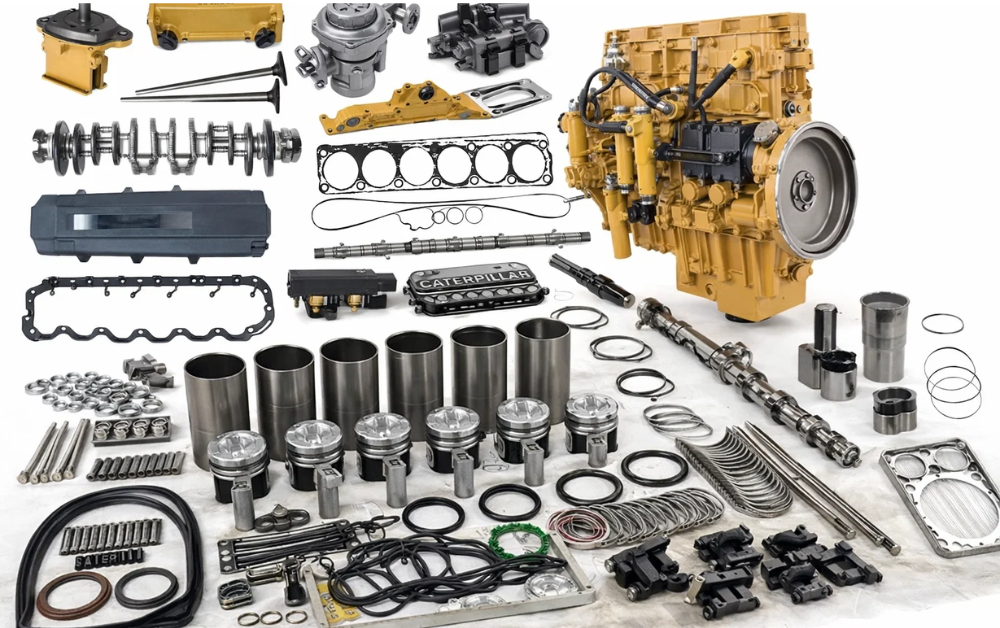
1. Fuel Injection System: The Heart of Efficient Combustion
Among the key components in fuel economy is the fuel injection system. For a modern diesel engine, the fuel injection system is one that injects fuel into the combustion chamber. It also requires correct fuel injection pressure. Good fuel atomization is also essential. It involves breaking fuel into tiny droplets. It enables fuel to mix well with air. Therefore, complete combustion of fuel is achievable. Several problems arise from a faulty fuel injection. They include incomplete combustion of fuel.
The major components of this system include:
- Injectors
- High-pressure pumps
- Fuel Rails and Sensors
Performance is kept optimal by the replacement of worn-out fuel injection parts with high-quality ones, most preferably the original or OEM quality ones.
2. Turbocharger: Boosting Power Without Extra Fuel
A turbocharger describes an airflow device that boosts the volume of air entering the engine’s cylinders. Compressing this incoming airflow raises the level of available oxygen necessary for combustion reactions. This increased airflow ensures that the engine derives higher energies from the same quantity of fuel, improving its performance and mileage rates. Turbocharging offers bigger benefits to heavy machinery because it ensures high performance without increasing fuel consumption rates significantly.
It is essential to keep the state of the turbocharger clean and clear to ensure high combustion efficiencies.
3. Air Intake and Filtration: Clean Air for Complete Combustion
Heavy machinery is also usually working in a dusty environment. The air intake system, including air filters, is designed to make sure that only clean air passes into the burning chamber. Dirty or clogged air filters impede air flow, making the engine work harder. This, consequently, makes it consume more fuel. One easy way, hence, to make sure that the engine is breathing freely is through maintaining or replacing air filters.
4. Cooling System: Ideal Operating Temperature for Maximum Fuel Efficiency
The engine also needs to run at an optimal temperature in order for the combustion process to remain efficient. This is where the cooling system, which consists of the radiator and the coolant, comes in. Both excessive cooling and heating of the engine can result in poor fuel economy.
- Overheating can cause engine knock and higher fuel consumption.
- Under-temperature use may cause Incomplete combustion.
Properly maintained cooling systems are known to run engines within their optimal temperature ranges, thereby indirectly increasing the fuel efficiency and durability of the engine.
5. Lubrication System: Reducing Internal Friction
Even though it is not a direct participant in the process of combustion, it is a crucial one when it comes to fuel efficiency. A good quality engine oil can significantly decrease friction between various moving components, such as pistons, bearings, and crankshafts, in a vehicle’s engine. In effect, this means a reduced waste of power generation by these engines due to friction, resulting in more work done by the fuel itself and less waste in the form of heat.
6. Exhaust and Emission Controls: Efficient Energy Use and Compliance
Contemporary heavy machinery may feature exhaust handling systems, like exhaust gas recirculation, diesel particulate filters, or catalytic converters. Even though such systems were mainly intended for decreased emissions, it is possible for them to affect fuel efficiency. Functioning properly, exhaust systems enable smoother gas passage with less back pressure, making it possible for engines to run efficiently without wasted fuel to support exhaust gases.
7. Electrical & Engine Control Units (ECUs)
Modern engine control units observe and control fuel flow, timing, and ignition factors based on actual operating conditions. Modern engine control units rely on inputs from engine sensors to optimize fuel-burning efficiency and adjust to changes in engine loads and minimize fuel consumption during idle engine operation. Proper engine sensor and control performance can help realize fuel-saving benefits.
8. Quality Components: A Foundation for Long-Term Fuel Efficiency
In addition to personal systems, the quality of engine components is also an essential factor in efficiency. Inappropriate or of poor-quality engine components may affect various aspects of an engine, like combustion, airflow, and cooling, among other areas, hence contributing to an increase in fuel consumption and operating costs. It is at this juncture that it becomes essential to identify and choose an ideal engine component provider. This is because SINTRA supplies various Diesel engine spare components and reconditioned engines meant to ensure heavy machinery operates at its highest efficiency.

Conclusion
Fuel Efficiency Begins with Engine Health. Fuel efficiency in heavy machinery is an involved process, beginning with the engine and carrying through with each supporting system. Starting with fuel and air, through cooling and lubricating systems, each integral component contributes to how efficiently your machine runs on fuel. Maintenance, replacement of essential machine parts in a timely manner, and using high-quality Diesel engine spare parts available at reliable sources such as SINTRA ensures your machinery is running efficiently. With these components at your disposal, you are able to decrease your fuel consumption and downtime and operate in an optimal manner.