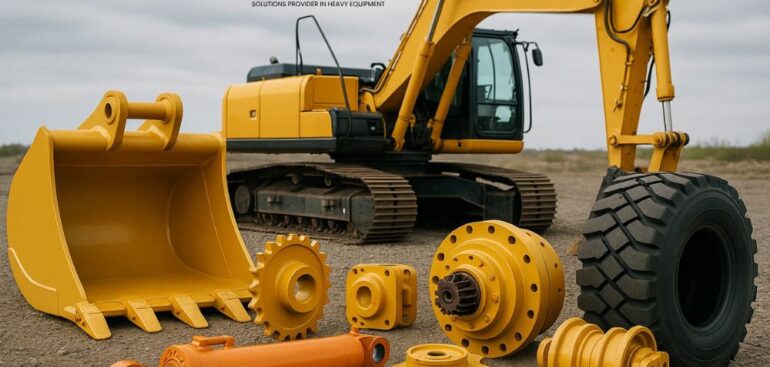
The selection of the right heavy equipment is a critical decision for any business involved in construction, infrastructure development, mining, or large‑scale manufacturing. Buying machinery and then finding reliable spare components involves a degree of risk. In markets like the UAE, where competition and operational costs are steep, making the proper selection can seriously influence productivity, safety, and profitability. If you’re looking into heavy equipment parts in UAE, it makes sense to pair your machinery acquisition strategy with a trusted partner for parts and service.
For example, companies such as SINTRA stand as the leading provider of heavy equipment solutions, combining supply, service, and end‑to‑end support. When you combine such a full‑service partner with an effective internal decision process for equipment, you position your operations for smooth success.
Here’s how you should think about choosing the right heavy equipment to meet your specific needs, step by step.
1. Define your operational needs
First, define precisely what you need the machine to do. Ask questions such as:
- What materials will it handle – earth, rock, concrete, aggregate, metal?
- What volumes/throughput am I targeting?
- What is the job site conditions: terrain, climate, access, and space constraints?
- What attachments or additional functionalities might I need, such as hydraulic hammers, grapples, trenchers, and loaders?
- What uptime, service life, and reliability expectations do I have?
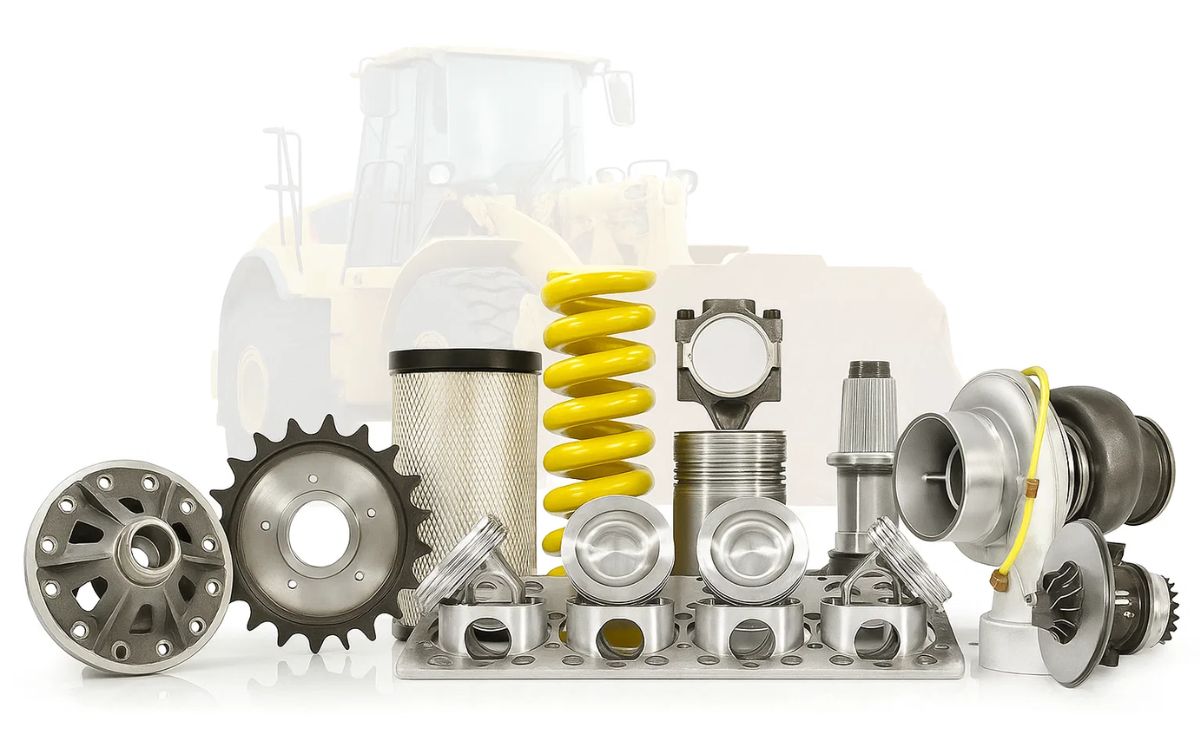
By being crystal clear about your job profile and expected performance, you avoid buying “one size fits all” equipment when your needs may demand something specialized. When specifying requirements, also factor in the availability of heavy equipment parts in the UAE to ensure your machine is serviceable locally, spare parts are in stock, and downtime can be kept to a minimum.
2. Match Equipment Size & Power to the Task
The common pitfalls are under sizing (machine not powerful enough) or oversizing (more than needed, thus wasteful and expensive).
- For example, if you’re loading light aggregates, a mid‑sized wheel loader may suffice rather than a massive excavator.
- Conversely, for the movement of rock or demolition waste, you would require heavy-duty power, strong undercarriages, and robust hydraulics.
Check the rated power of the machine, operating weight, bucket or arm capacity, cycle times, and fuel consumption.
Also examine logistic factors: transport to the site, manoeuvrability, and attachments compatibility. If the machine is too large for the access roads or for the site layout, you will impair productivity.
3. Total Cost of Ownership – TCO
Instead of strictly basing the decision on purchase price, consider the lifetime operational costs of the equipment. These include:
- Fuel consumption and efficiency
- Maintenance, downtime, and spare parts costs
- Resale value or trade‑in value
- Operator training, safety, and insurance
- Infrastructure costs: site preparation, transport, attachment compatibility
By understanding TCO, you are able to choose equipment that offers the best long‑term value, not just the lowest upfront cost. When you’re evaluating options, ask about spare parts access. If heavy equipment parts in the UAE are hard to source for specific models, your maintenance costs and risk of downtime will be higher.
4. Choose a Reputable Brand & Local Support Ecosystem
A strong brand doesn’t just translate into name recognition; it is indicative of better build quality, dealer support, availability of genuine spare parts, and resale value. If buying within a region like the UAE, confirmation of local support is critical: locally-based service, parts warehouses, trained technicians, and responsive after-sales support.
Meanwhile, SINTRA provides a holistic approach to heavy equipment solutions, making them a competent partner to consider. A strong supplier plus local spares distribution will help safeguard uptime and productivity.
5. Check New or Used Machine and Spare‑Parts Ecosystem
If purchasing used equipment, a fine-tooth-comb inspection must be carried out: wear parts, undercarriage, hydraulics, structural integrity, and service history. When buying new, review the warranty terms, availability of attachments, and spare part catalogues.
Importantly, check if parts are readily available in the UAE for your brand and model of heavy equipment. Where lead times are long or inventory is minimal, you might face longer-than-expected downtime when eventual breakdowns occur. A supplier or dealer who maintains spares locally or has rapid logistics adds significant value.
6. Attachments & Versatility Considerations
Heavy equipment isn’t all about the base machine itself; it’s also about how many tasks it can carry out. Consider:
- What attachments are available, and how quickly can they be changed?
- Are they supported locally (service, parts, training)?
- Does the machine offer modularity, such as a multi‑purpose loader able to switch buckets, forks, and grapples?
Versatile machines often give higher utilization and better return on investment. Ensure that the attachments are compatible with local norms, and the spares for them are also available.
7. Prioritize Safety, Operator Comfort & Compliance
In the UAE and other regulated jurisdictions, machine safety, operator ergonomics, and regulatory compliance are matters of concern. Machines with good visibility, safety features such as alarms, cameras, rollover protection, and comfortable cabs result in higher productivity with lower operator fatigue.
Also consider emissions regulations: if the machine will operate in urban zones in the UAE, ensure it meets local environmental standards. The availability of replacement parts for filters, sensors, and emissions‑compliance systems should be verified.
8. Plan for Maintenance, Training, and Lifecycle Management
Purchase of the machinery is only the beginning. For long-term success, proactive maintenance, operator training, and a plan for eventual replacement/upgrading are needed. Ask the equipment supplier for information regarding recommended service intervals, availability of maintenance kits, and training programs for local operators.
If your supplier ties together heavy equipment parts in the UAE with local maintenance planning and lifecycle forecasting, like SINTRA does, you’re in better shape to sustain high uptimes and predictable operational costs.
9. Future‑Proof Your Investment
Technology changes-think machine-telemetry, GPS tracking, digital maintenance logs, automation. When assessing equipment, ask:
- Does this machine provide onboard electronics for monitoring?
- Is remote diagnostics available?
- Can I integrate this machine into a fleet‑management system?
A machine that offers these features may cost more upfront, but could save time, money, and headaches down the road. When the supplier also has a well‑stocked parts network, you get the benefit of both current and future readiness.
10. Make the Decision, Negotiate Smart, Get Documentation
Finally, when you have reduced your options:
- Negotiate price inclusive of key attachments and spare parts starter kits.
- Secure the service contract terms: response times, spare parts access, and warranty conditions.
- Get complete Documentation: parts catalogue, maintenance schedule, training documentation, and operator manual.
- Logistic considerations imply transport to the site, site access, permits, and training of operators.
Having done all the checks above, you would have picked a machine that’s suited for your particular tasks, supported by a local parts ecosystem, and backed by a strong supplier like SINTRA.
Conclusion
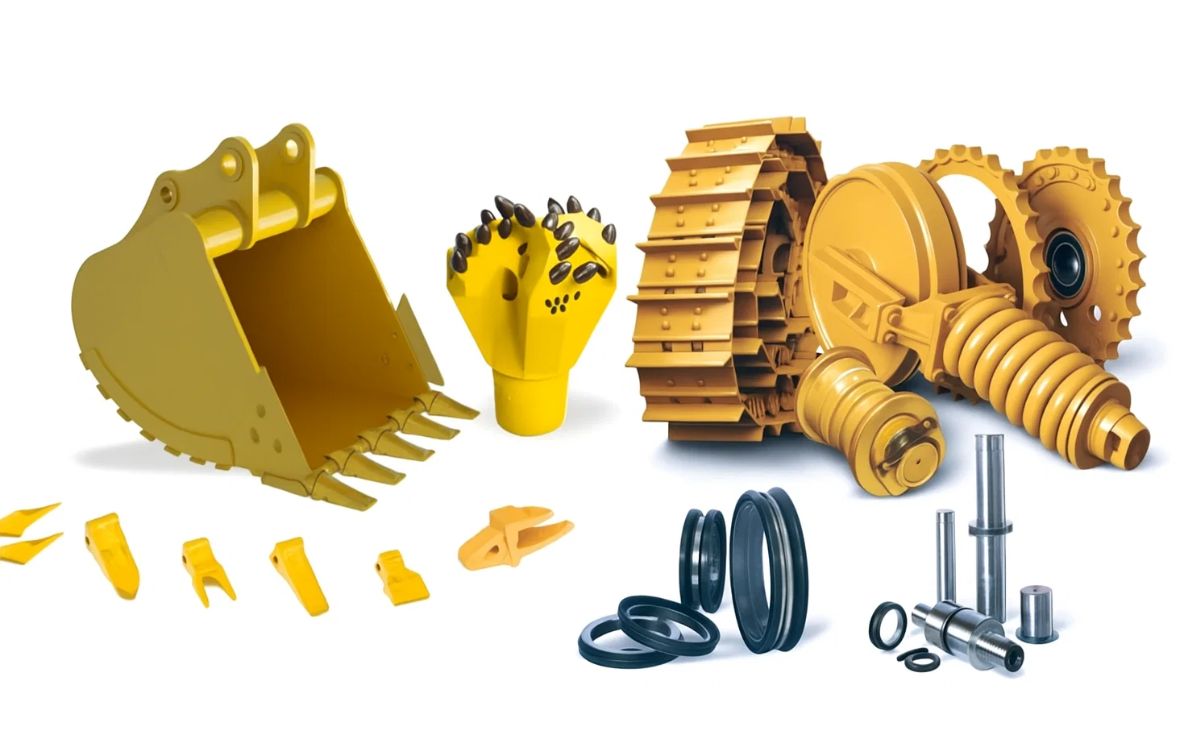
It’s more than just choosing the biggest or cheapest machine-it’s selecting a machine that matches your needs, considering long‑term costs, and finding dependable support in your region. If you have a proper decision framework in place, with a trusted partner for heavy equipment parts in the UAE, you can considerably reduce risk and maximize return on your investment. And when providers such as SINTRA stand tall among the rest as the top provider of heavy equipment solutions, you’re combining machinery, parts, and service into a robust, holistic solution to help drive business success.